







Search Results for: Kono drip method
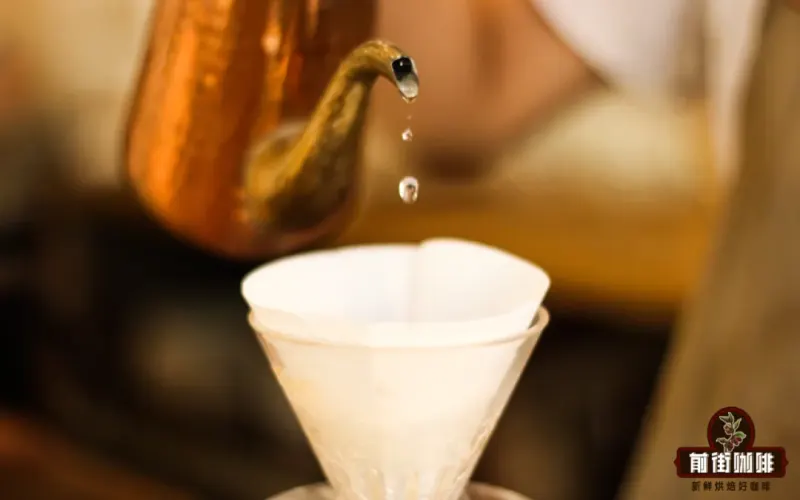
A Complete Guide to the Kono Drip Method: From Grind Size to Pouring Rhythm, the Ultimate Pursuit of Mellow Sweetness in Dark Roast Coffee
The drip method, hailed as one of the most challenging brewing techniques in the pour-over field, was invented in 1973 by the Kono family, founders of the Kono brand. Through its unique rhythm of dripping first and then pouring, it allows dark-roasted coffee to present a fuller body and higher sweetness. This article will provide a complete analysis of every detail of the Kono-style drip method, from its origin and background, brewing principles, and equipment selection, to specific parameters and step-by-step operations. Front Street Coffee uses Sumatra PWN Golden Mandheling as an example to share the complete process and precautions of this high-concentration, low-extraction brewing method, leading you to appreciate the charm of the drip method. [more…]
The Complete Kono-Style Drip Method Tutorial: How Japanese-Style Pour-Over Overcomes the Challenge of Extracting Fresh Beans
Freshly roasted coffee beans contain a large amount of carbon dioxide, and brewing them directly often leads to uneven extraction and imbalanced flavor. To address this, the Japanese developed a series of solutions, among which the Kono-style drip method is considered a classic. It uses water droplets instead of a water stream to pre-wet the coffee grounds, waits for sufficient degassing before switching to a stronger flow for extraction, and finally adjusts the concentration through bypass. In this article, Front Street Coffee will use PWN Golden Mandheling as an example to break down in detail the parameter settings and operating steps of this brewing method, helping you brew a rich, balanced, and delicious cup even with fresh beans. [more…]
Japanese-Style Hand-Drip Method Operation Guide: How the Kono Drip Method Brews a Rich, Full-Bodied Coffee Flavor
The drip method, a highly distinctive extraction technique in Japanese-style pour-over, was developed in 1973 by the Kono family, founders of the Kono brand, with the aim of giving coffee a richer, fuller body. This technique involves slowly saturating the coffee grounds with an extremely fine stream of water; only after the coffee bed has absorbed its fill of water and finished degassing does the coffee liquid begin to drip out in significant quantities. Starting from the operational details, this article explains the water-control techniques and judgment criteria for the drip method, and, combined with the brewing performance of Front Street Coffee's Golden Mandheling, guides you through the spice, caramel, dark chocolate, and popcorn-like rich flavors this technique brings out, as well as the lingering Pu'er tea finish after swallowing. [more…]
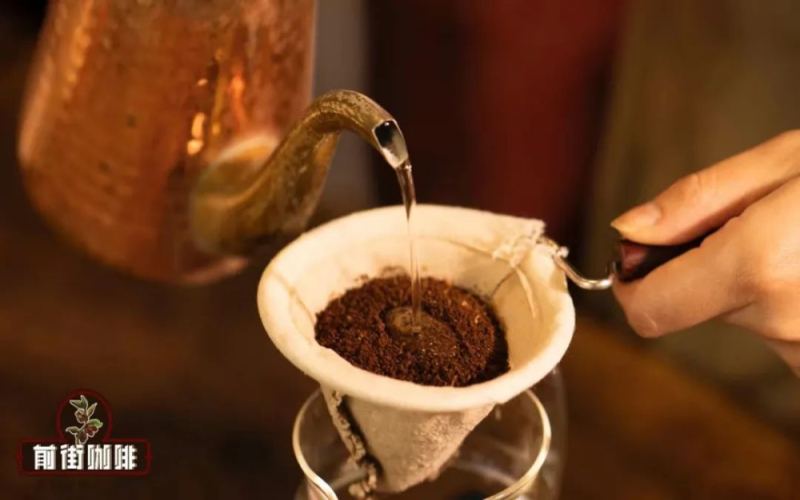
Comparison of the Three Major Japanese Dark Roast Brewing Methods: Principles and Operational Characteristics of Kono Drip, Matsuya-Style, and Volcano Brewing
Deep-roasted coffee beans are known for their rich, mellow bitterness, and the Japanese brewing tradition includes three classic methods designed specifically for such beans: the Kono drip method, the Matsuya-style brewing, and the volcano pour. Though they take different paths, their core goal is the same—to fully unlock the steady, grounded flavors of dark-roasted beans. The Kono method uses drip-style blooming to extend degassing time, the Matsuya style pursues stable extraction through ultra-high pouring and an extra-long bloom, while the volcano pour creates an erupting effect with segmented small-circle pours. All three generally use a higher coffee-to-water ratio, and some require bypass dilution. This article breaks down each method's origins, operating logic, and flavor profile one by one, and explains why these approaches are better suited to dark-roasted beans. [more…]
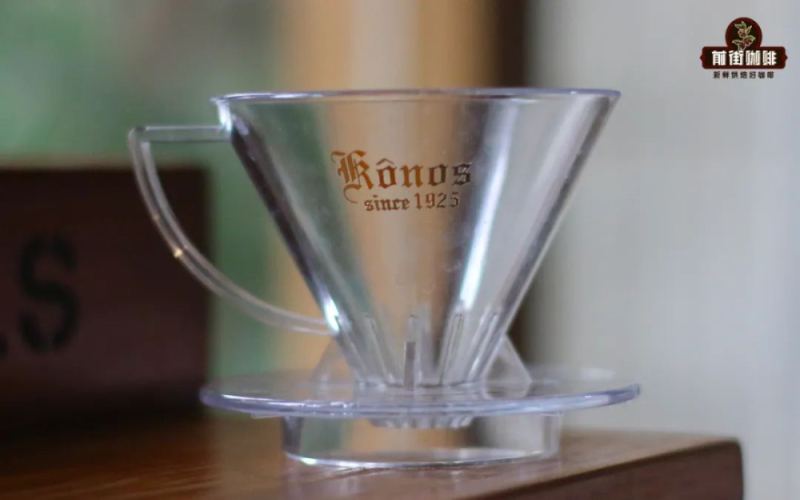
In-Depth Analysis of the KONO Meimon Dripper: Design Principles, Extraction Characteristics, and Practical Brewing Methods
Since its introduction in 1973, the KONO Meimon dripper has become a representative brewing device for Japanese-style dark roast coffee, thanks to its distinctive conical shape and semi-rib design. It mimics the extraction logic of a flannel drip, extending the contact time between grounds and water by restricting air escape, thereby delivering greater body and sweetness. Starting from the design intent and structural principles, and drawing on the hands-on experience of Front Street Coffee, this article explains grind size settings, water temperature selection, and the three-pour technique in detail, helping coffee enthusiasts master the key skills for brewing a full, rounded flavor with the KONO dripper. [more…]

KONO Dripper Brewing Guide: Extraction Characteristics Analysis and Medium-Dark Roast Coffee Bean Pairing Suggestions
The KONO dripper, with its distinctive rib design and slow flow rate, produces a flavor profile in coffee extraction that is completely different from the Hario V60. This article starts with the dripper's structure to explain why it is better suited to medium-dark roasted or full-bodied coffee beans, and uses the classic Front Street Golden Mandheling as an example to break down a complete brewing recipe covering dose, grind size, water temperature, and three-pour technique. Whether you want to understand the extraction logic of the KONO dripper or are looking for coffee beans to match it, this article will provide clear and practical guidance. [more…]
A Complete Analysis of Five Pour-Over Coffee Techniques: Detailed Parameters for One-Pour, Three-Stage, Stirring, 4:6, and Kono Methods
Pour-over coffee may seem simple, but in reality every pouring technique brings out a completely different flavor profile. Front Street Coffee's daily in-store offerings uniformly use the three-stage pour, but the baristas know well that changing the pouring height, water temperature, flow rate, or number of stages is equivalent to creating an entirely new brewing method. This article compiles five distinctive pour-over techniques—the one-pour method, the three-stage method, the agitation method (Rao's spin method), the 4-6 method, and the Kono-style method—breaking down their key operational points and suitable scenarios one by one, along with Front Street Coffee's complete brewing parameters, so that coffee enthusiasts can try them at home one by one and, through comparative tasting, find the cup that best suits their own taste. [more…]
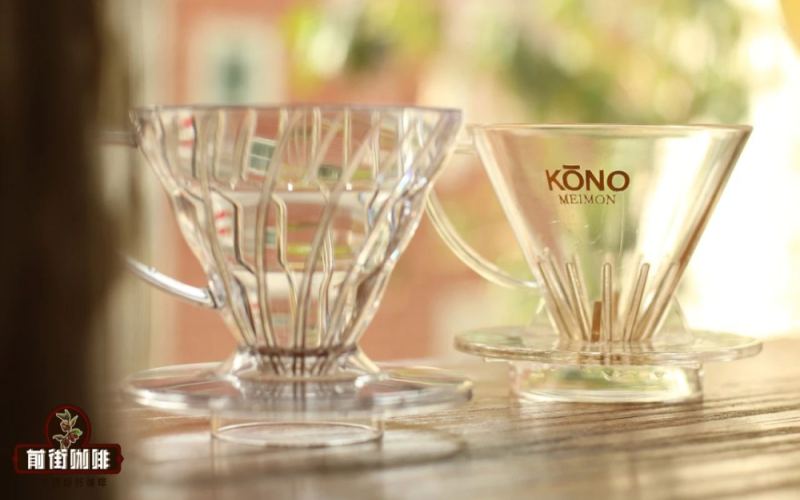
Pour-over Dripper Usage Tutorial | Which Coffee Beans Are Suitable for Brewing with the Kono Dripper? Introduction to the Kono Dripper's Extraction Principles and Coffee Flavors
The KONO dripper, like the Hario V60, is cone-shaped. The biggest difference lies in the height of the ribs. KONO has 12 ribs that are lower than those of the Hario V60, which helps with airflow during brewing and increases the efficiency of the bloom. When the KONO dripper is used together with its server, it's like [more…]
What Are the Similarities and Differences Between Drip Coffee and Pour-Over Coffee? A Full Analysis from Brewing Principles to Front Street Coffee's Practical Parameters
Drip coffee was the most common coffee brewing method worldwide before espresso became popular, and pour-over coffee is precisely the most representative member of the drip coffee family. This article starts from the origin and principles of drip coffee, compares it with espresso in terms of concentration, flavor retention time, suitable bean types, and grind size, and breaks down in detail the impact of water temperature on extraction results. Using the V60 and KONO drippers as examples, Front Street Coffee provides specific brewing parameters and staged extraction techniques for light-roasted and medium-dark-roasted beans respectively, helping coffee enthusiasts consistently reproduce their ideal flavors at home. [more…]
Beginner's Guide to Drip Coffee: From Brewing Principles to Taste and Flavor, Front Street Teaches You Bean Selection and Pour-Over Techniques
What exactly is drip coffee? How does it differ from espresso? Starting from the origins and working principles of the drip method, this article provides a detailed analysis of the taste characteristics of drip coffee, its core differences from espresso, the ideal brewing water temperature and roast level selection, and, combined with practical case studies of Front Street Coffee's V60 and KONO brewers, gives specific brewing parameters for bean varieties such as Sidamo Flower Queen and Mandheling. Whether you are a beginner who has just encountered coffee or an enthusiast looking to refine your pour-over technique, you will find brewing ideas and bean selection suggestions that suit you. [more…]

Pour-Over Coffee Beginner's Guide | How Should Coffee Newbies Choose Coffee Filters? How Do You Use Coffee Filters? What Types of Coffee Filters Are There?
For professional coffee knowledge exchange and more coffee bean information, please follow FrontStreet Coffee. How to choose coffee filter paper? How to use coffee filter paper? What types of coffee filter paper are there? Many enthusiasts buy their own coffee beans, use a grinder, and purchase equipment to brew coffee, all [more…]
Drip Coffee Beans Recommendations | What Is Drip Coffee? How Does Drip-Style Black Coffee Differ from Espresso?
There are many types of coffee, such as Americano, espresso, and pour-over. There is also a term called drip filtration—what kind of coffee is that? In fact, the most common drip-filtered coffee is pour-over coffee, and pour-over coffee is a type of drip-filtered coffee. In reality, the drip filtration method is quite common in offices and homes because it is usually relatively simple. [more…]
Brewing Methods | What kind of coffee beans is the drip method of pour-over coffee suitable for? What is the specific process of brewing pour-over coffee with the drip method?
As we all know, there are many ways to brew pour-over coffee. Apart from all-around methods that are beginner-friendly, such as the three-pour and 4:6 methods, there are also some lesser-known, high-difficulty techniques better suited to experienced brewers. For example, the brewing method Front Street Coffee is sharing today—just mastering it [more…]
How to brew a delicious pour-over single-origin black coffee? A full breakdown of tools, parameters, and practical steps
To brew a clean, well-layered single-origin black coffee at home, beans alone are not enough—your choice of equipment, grind size, water temperature, and pouring rhythm all directly affect the final taste. This article begins with the definition of pour-over coffee, sorts out the cultural differences behind its various English names, introduces one by one the roles of the digital scale, gooseneck kettle, dripper, filter paper, thermometer, and grinder, and uses 15 g of coffee, a 1:15 coffee-to-water ratio, and a three-pour method as an example to walk through the entire brewing process. It also takes Front Street Coffee's Yunnan natural Typica as an example, giving specific parameters such as a KONO dripper, 88°C water temperature, and a 75% pass rate through a No. 20 sieve, to help you understand how parameters influence flavor expression. [more…]
How to Choose and Use Coffee Filters? A Complete Guide to Bleached vs. Unbleached, Cone Filter Parameters, and Three Brewing Methods
Brewing coffee at home—paper filters, metal filters, or cloth filters: how exactly should you choose? This article starts with the difference between bleached and unbleached paper filters, explains why you should rinse your paper filter, and lists the weight and feel of several common cone-shaped paper filters for reference. It also compares metal filters, flannel cloth filters, and drip coffee bags by their pros and cons. Whether you're after a clean, crisp cup or want to keep more of the coffee oils and original flavors, you'll find the right filtration solution for you here, and avoid detours when shopping. [more…]
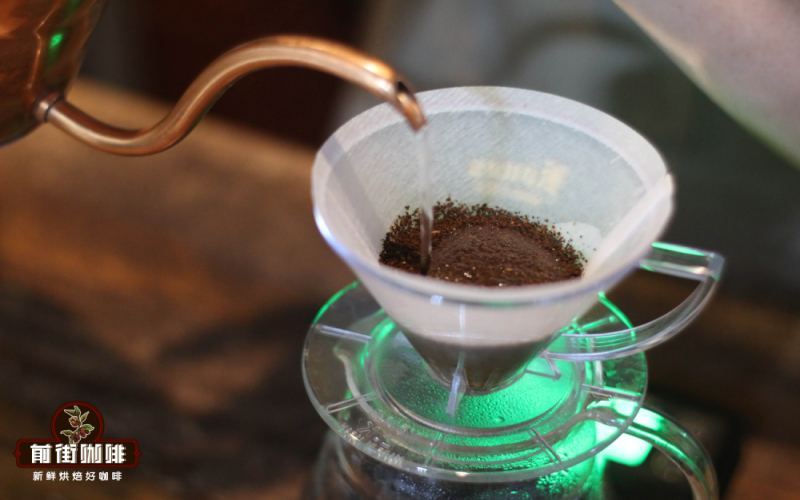
KONO dripper pour-over tutorial: from rib design to staged extraction, a detailed guide to brewing rich, full-bodied medium-dark roast coffee
With its unique short ribs and bottom convex groove structure, the KONO dripper delivers pronounced sweetness and a full-bodied mouthfeel when brewing medium-dark roasted coffee, making it the go-to device for many coffee enthusiasts. Drawing on the hands-on experience of Front Street Coffee, this article first explains the design principles and extraction logic of the KONO dripper, then uses Jamaica Blue Mountain No. 1 as an example to share in detail the coffee dose, water temperature, grind size, and multi-stage pouring technique, helping you reliably reproduce a rich, full-bodied, and layered Japanese-style pour-over coffee at home. [more…]
How to Fix Sour Blue Mountain Coffee When Brewing? A Comprehensive Analysis of Seven Brewing Methods and Techniques
How should you brew Front Street Blue Mountain Coffee to make it taste good after buying it home? This article compiles seven extraction methods suitable for Front Street Blue Mountain Coffee, from espresso, latte, and Americano, to various pour-over drippers, siphon, AeroPress, French press, cold drip, and Japanese iced pour-over. Each method provides specific coffee dose, water temperature, grind size, water-to-coffee ratio, and brewing steps. If you feel that the Blue Mountain Coffee you brew tastes too sour, the key issue often lies in the extraction method and parameter combination, as different brewers vary greatly in how they present acidity, sweetness, and bitterness. The article also compares the flavor differences between the Kalita扇形, cake cup, Kono, and V60 drippers, as well as the mouthfeel changes in siphon brewing when adding coffee grounds first versus later, making it easier for coffee enthusiasts to choose a suitable method according to their taste preferences. [more…]
How Does Golden Mandheling Differ from Espresso? A Full Analysis of Indonesian Sumatra Coffee Bean Flavor and Brewing
Many coffee enthusiasts often confuse Mandheling with espresso, but in fact the two are completely different in terms of bean selection, extraction principles, and final flavor. Starting from Front Street Mandheling, this article systematically sorts out the concepts of single-origin and blended coffee beans, the differences among the three extraction methods of drip filtration, immersion, and pressure, and explains in detail the origin characteristics of Indonesian Sumatra Mandheling, the grading standards of PWN Golden Mandheling, as well as the brewing parameters and techniques recommended by Front Street. It will also explain the extraction conditions of espresso and whether single-origin Mandheling can be used to make espresso. Whether you are a pour-over enthusiast or an espresso devotee, you can find clear answers here. [more…]
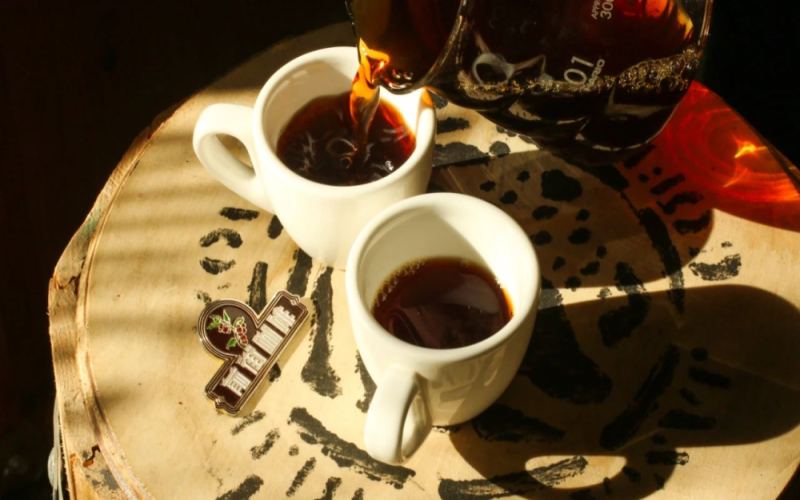
Flavor characteristics, authenticity identification methods, and pour-over parameters of Jamaican Blue Mountain coffee beans
Blue Mountain coffee is renowned for its balanced profile of sweetness, acidity, and bitterness, with a rich, mellow body, almost no bitterness, and only a slight tang. It is grown in Jamaica's Blue Mountain range at elevations between 910 and 1,700 meters, and the variety is Typica. Thanks to volcanic soil, a humid and foggy climate, and the large day-night temperature difference at high altitude, it develops a clean, subtly fragrant character. To buy authentic Blue Mountain coffee, look for the Jamaican government export certificate and wooden barrel packaging; coffee grown below 910 meters can only be called Jamaica High Mountain coffee or Jamaica Prime coffee. Front Street Coffee recommends brewing it by pour-over, and shares a specific extraction plan using a KONO dripper, 88 to 89 degrees Celsius, and a medium-coarse grind. [more…]
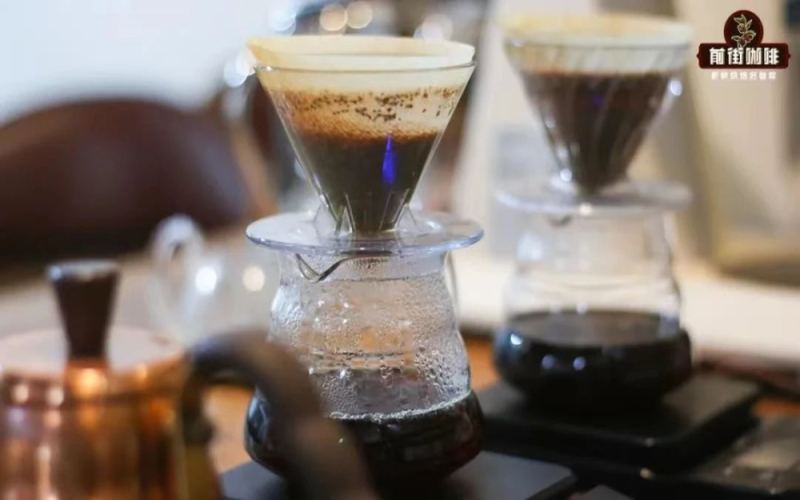
An In-Depth Analysis of the KONO Meimon Dripper: Structural Design, Suitable Bean Types, and Practical Brewing Parameters
Pour-over coffee enthusiasts often face the dilemma of choosing a dripper, as different shapes and structures directly affect extraction and flavor outcomes. As a classic representative of conical drippers, the KONO dripper stands out in brewing medium-to-dark roasted coffee beans thanks to its unique design philosophy. This article will provide a detailed explanation of the KONO dripper's origins, structural features, and extraction principles, and, drawing on Front Street Coffee's hands-on experience, share the specific parameters and techniques for brewing Front Street Indonesia Golden Mandheling with the KONO dripper. From grind size adjustment and water temperature control to the three-pour technique, we break down step by step how to bring out this dripper's strengths in body and sweetness. Whether you are a beginner just getting into pour-over or a coffee enthusiast hoping to refine your skills, you will find practical references and inspiration here. [more…]